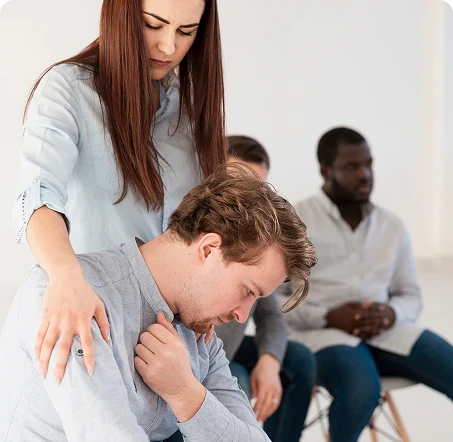
Recovery after a serious injury often involves more than medical treatment alone. Individuals may require support navigating physical limitations, emotional challenges, community resources, and long-term rehabilitation needs.
Supportive rehabilitation services help bridge these gaps by providing coordinated care designed to promote recovery and independence.
Benefits of Supportive Rehabilitation
These services can assist with:
- Goal setting and rehabilitation planning
- Community resource navigation
- Care coordination
- Functional skill development
- Emotional adjustment support
- Return-to-work or school planning

A Collaborative Approach to Recovery
Supportive rehabilitation often involves collaboration between healthcare providers, families, insurers, employers, and rehabilitation professionals to ensure consistent and coordinated care.
Building Confidence for the Future
By addressing both practical and emotional challenges, supportive rehabilitation services help individuals move forward with greater confidence and independence.